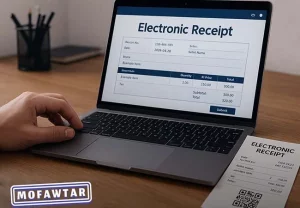
What Is E-Invoicing?
Before delving into the details of the impact of e-invoicing on tax accounting, it is important that we first understand what an electronic invoice is.An electronic invoice is a digital version of the traditional invoice, issued and sent in electronic form. Contrary to the common belief that it is merely a PDF copy of a paper invoice, it is in fact a structured digital document containing formatted data that complies with the requirements of the Egyptian Tax Authority, and it passes through an integrated electronic system.E-invoicing in Egypt follows specific standards and specifications that guarantee the accuracy and integrity of the data, and it can be exchanged between different systems. It also includes all mandatory data, such as the taxpayer’s data, the customer’s data, the goods or services, the prices, and the taxes due.Why Was the E-Invoicing System Implemented in Egypt?
The e-invoicing system was implemented in Egypt as part of the tax reform efforts and the comprehensive digital transformation the country is witnessing. This implementation aims to achieve several main objectives, including:- Improving the efficiency of the tax system and increasing tax revenue.
- Curbing tax evasion by providing effective oversight of commercial transactions.
- Simplifying tax procedures and reducing administrative burdens.
- Increasing transparency in commercial dealings.
- Supporting digitalization in the financial sector and promoting the shift toward a digital economy.
The Impact of E-Invoicing on Tax Accounting
The impact of e-invoicing on tax accounting extends to include many aspects. Below, we review the most prominent of these effects in detail:Improving the Accuracy of Tax Data
One of the most important aspects of the impact of e-invoicing on tax accounting is improving the accuracy of tax data. The electronic system includes mechanisms for verifying the validity of entered data and ensuring its conformity with the required standards. This reduces manual entry errors and ensures that transactions are recorded correctly.The impact of e-invoicing on tax accounting also appears in the consistency between VAT returns and the establishment’s actual invoices, which reduces the discrepancies that used to occur under the traditional system.Speed and Simplification of Procedures
One of the important advantages of e-invoicing for tax accounting is accelerating tax procedures. With the electronic system, invoices are processed and exchanged instantly, reducing the time spent issuing, sending, receiving, and processing invoices.This speed contributes to reducing the time needed to prepare and file tax returns, and it also facilitates the process of tax refunds for eligible companies.Automated Verification of Tax Compliance
The new e-invoicing system enables automated verification of companies’ tax compliance, as the Egyptian Tax Authority can monitor commercial transactions in real time and ensure adherence to tax legislation.This helps identify cases of non-compliance early and take the necessary corrective actions, which contributes to increasing tax compliance in general.Reducing Tax Compliance Costs
The impact of e-invoicing on tax accounting is clearly evident in reducing tax compliance costs. Despite the existence of initial costs for transitioning to the new system, the long-term savings are significant.The costs that are saved include printing, paper, storage, and archiving costs, in addition to labor costs and the time consumed in the manual processing of paper invoices.Curbing Tax Evasion
The impact of e-invoicing on tax accounting is largely evident in the decline in tax evasion rates. With the electronic system, it becomes difficult to manipulate data or conceal transactions, and it facilitates the process of matching data and verifying its validity.The role of e-invoicing in combating tax evasion appears through the elimination of fake invoices and ensuring that all commercial transactions are recorded, which leads to increased tax revenue and the achievement of tax fairness.Enhancing Transparency and Trust
E-invoicing contributes to enhancing transparency in commercial dealings, which builds trust among all parties, whether companies, customers, or the Egyptian Tax Authority. This transparency helps build a healthy business environment based on accurate and reliable information, which supports economic growth and encourages investment.How Can You Deal With the Implementation of E-Invoicing?
The impact of e-invoicing on tax accounting has become clearer and more tangible than ever before, so you must have enough flexibility to be able to adapt to the changes in the new tax accounting landscape. You can do this by following these steps:Understand the Legal Requirements
Before starting to implement the e-invoicing system, you must clearly understand the legal and tax requirements related to the implementation of the system. This includes:- Learning the deadlines for compliance.
- Understanding the mandatory data that must be included in the electronic invoice.
- Understanding the procedures required to register in the system.
- Knowing the penalties for non-compliance.
Assess the Current Situation and Development Needs
Assess your current systems and identify the needs required to adapt to the impact of e-invoicing on tax accounting. This includes:- Evaluating the current technological infrastructure.
- Determining the extent to which existing accounting systems are compatible with e-invoicing requirements.
- Identifying the training needs of employees.
- Setting a plan for development and implementation.
Choose the Appropriate Technical Solutions
You must choose the technical solutions appropriate to your organization’s needs before entering the e-invoicing system. These solutions may include:- Specialized software for issuing electronic invoices.
- Integration solutions with existing enterprise resource planning systems.
- Cloud platforms for managing electronic invoices.
- Specialized consulting and training services.
Train Employees
To make the most of the impact of e-invoicing on tax accounting, it is essential to provide appropriate training for employees. This training includes:- Introducing what the electronic invoice is and its importance.
- Practical training on using the new systems.
- Explaining the new procedures associated with issuing and receiving electronic invoices.
- Raising awareness of the legal and tax aspects.
Ongoing Monitoring and Improvement
After starting to implement the e-invoicing system, you must pay attention to the latest developments affecting tax accounting and make the necessary improvements if needed. This includes:- Monitoring system performance and identifying any problems.
- Collecting feedback from users.
- Keeping up with updates and changes in the requirements of the Egyptian Tax Authority.
- Improving operations and procedures based on acquired experience.
How Can the Mofawtar Platform Help You Deal With E-Invoicing?
The impact of e-invoicing on tax accounting has highlighted the need for integrated solutions that help companies and individuals adapt to this transformation. That is why the Mofawtar platform provides a comprehensive set of services designed specifically to handle e-invoicing and its requirements.Mofawtar’s Services Related to E-Invoicing
The Mofawtar platform offers a variety of services to help you deal with the impact of e-invoicing on tax accounting, including:Issuing and Managing Electronic Invoices
The Mofawtar platform provides an integrated system for issuing and managing electronic invoices in compliance with the requirements of the Egyptian Tax Authority. This system features:- An easy-to-use interface suitable for all users.
- The ability to issue invoices quickly and accurately.
- Integration with the government e-invoicing system.
- Invoice archiving and easy access to them.
Integration With Existing Systems
The Mofawtar platform is distinguished by its ability to integrate with existing accounting systems, which makes it easier for you to deal with the impact of e-invoicing on tax accounting without the need for a radical change to your current systems. This integration includes:- Integration with enterprise resource planning (ERP) systems.
- Integration with various accounting programs.
- Importing and exporting data easily.
- Exchanging data in real time.
Technical Support and Consulting
The Mofawtar platform offers technical support services and specialized consulting to help you. These services include:- Round-the-clock technical support.
- Specialized consulting in the tax field.
- Solutions to technical problems.
- Guidance on best practices.
Integrated Solutions for Tax Compliance
The Mofawtar platform offers integrated solutions that help you comply with e-invoicing requirements, in addition to other tax requirements. This is done through:- Preparing and filing tax returns.
- Reviewing and auditing tax data.
- Following up on deadlines for tax obligations.
- Handling inquiries and correspondence with the Egyptian Tax Authority.
Conclusion
To summarize the above, the impact of e-invoicing on tax accounting has become a tangible reality that affects all institutions and companies, and it has turned into an opportunity that companies can exploit to improve their efficiency, reduce their costs, and enhance their tax compliance.In light of the tax reform in Egypt and the digitalization of the financial sector, the importance of relying on specialized platforms such as Mofawtar to deal with e-invoicing requirements and make the most of them stands out. The platform, in turn, offers integrated solutions suitable for companies of various sizes and types, helping them adapt to the requirements of the new Egyptian tax system.Don’t miss the opportunity to join the thousands of successful companies that benefit from Mofawtar’s services in dealing with the impact of e-invoicing on tax accounting. Register now and enjoy a smooth and integrated experience in the world of electronic invoicing.A Practical E-Invoice Review Workflow
Before preparing your reports, compare the invoices in your accounting records with the documents available on the tax portal. Check document status, issue date, customer or supplier details, credit notes, and totals. Record exceptions separately so your team can investigate them instead of treating every imported document as correct.
Read our guide to electronic accounting in Egypt for the wider accounting workflow, or follow the Mofawtar user guide for product instructions.